What is Docus?
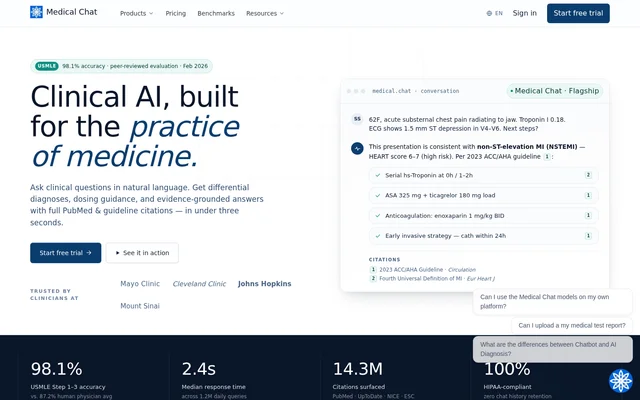
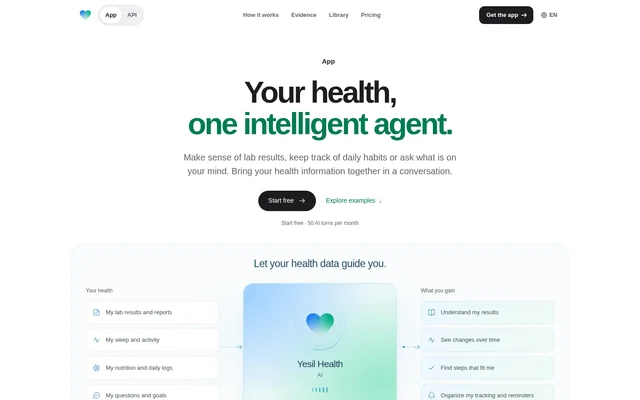
Docus is AI health software for diagnostic labs, doctors, and patients, with a lab offering focused on interpreting test results and supporting related workflows. Docus serves reference labs, direct-to-consumer labs, and labs within hospitals or clinics. Separate doctor and patient products provide clinical decision support and personal health assistance.
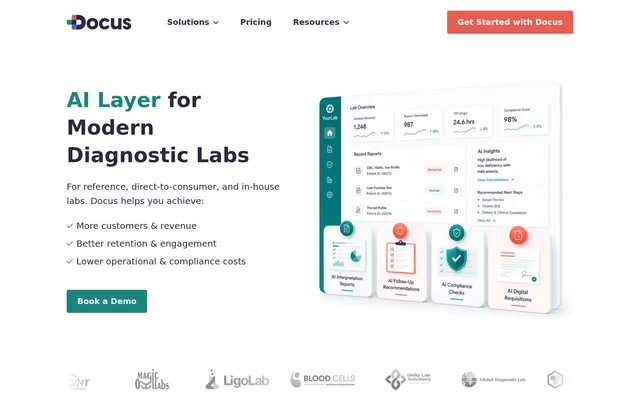
Docus connects lab interpretation with follow-up recommendations, compliance reviews, digital ordering, and context-aware assistants. Clinical reports include differential diagnoses, suggested follow-ups, and clinical plans. Patient-facing reports explain results in simple language and guide patients toward appropriate care. Historical test data supplies additional context for interpretation.
What Docus can do
Docus combines reporting, patient communication, and administrative support for diagnostic testing. Docus supports routine and specialty tests, including microbiology, pathology, toxicology, and PGx. Beyond interpreting results, Docus checks ordering information, helps complete requisitions, and provides assistants that answer questions using patient history and lab results.
- Docus generates clinical interpretation reports and patient-friendly explanations.
- Docus recommends follow-up tests and sends patient reminders.
- Docus validates ordered tests against diagnosis codes and checks repeat-testing frequency.
- Docus drafts medical necessity text from selected tests and diagnosis codes.
- Docus supports doctor and patient electronic signatures.
- Docus generates structured medical notes, including SOAP notes.
How Docus works
Docus accepts lab data through API/HL7 integration and returns structured interpretation reports and other outputs directly to a lab's LIS, CRM, or EHR. Docus also provides interfaces for labs, doctors, and patients that require no integration. Lab interfaces can be customized with a logo, domain, and brand colors.
Docus uses requisition or result data for compliance reviews before or after testing. Completed requisitions can be routed to the Docus interface or directly into a LIS. Docus states that data is encrypted at every step and that personally identifiable information is not required for core workflows.
Who Docus is for
Docus addresses different diagnostic lab models rather than a single testing workflow. Direct-to-consumer labs can provide patient explanations and encourage follow-up testing. Reference labs can deliver clinical interpretations to referring providers. In-house labs can reduce interpretation workload. Docus also offers dedicated tools for doctors managing patients and individuals seeking health information.
- Docus helps direct-to-consumer labs deliver understandable result reports.
- Docus helps reference labs simplify ordering and review for referring providers.
- Docus supports internal interpretation workflows in hospitals and clinics.
- Docus helps doctors research clinical questions and draft patient communications.
- Docus lets patients upload lab results for biomarker analysis and interpretation.
Docus pricing and plans
Docus offers lab software through flexible subscriptions, with final pricing based on monthly test volume, workflow complexity, and regional regulations. Labs obtain a custom quote by contacting sales. Docus API pricing separately depends on usage volume, integration requirements, and the specific tools needed.
Docus provides free and paid plans for doctors and patients. Doctor pricing depends on the number of patients managed, while patient plans specify allowances for AI messages and test interpretations. Medical second opinions are charged separately from patient subscriptions. Docus allows subscription cancellation or plan changes through the dashboard.
Docus strengths and limitations
Docus combines clinical and patient-facing reporting with follow-up, ordering, and compliance tools. Docus gives labs a choice between integrated data exchange and interfaces that need no integration. These options support different lab workflows, while separate doctor and patient products extend access beyond the diagnostic lab setting.
- Docus does not publish a fixed lab subscription price; a custom quote is required.
- Docus limits access or usage on free doctor and patient plans.
- Docus excludes medical second opinions from patient subscription plans.
Docus FAQ
What is Docus?
Docus is AI health software for diagnostic labs, doctors, and patients. Docus interprets lab results, recommends follow-ups, checks ordering compliance, and supports digital requisitions. Dedicated doctor and patient products add clinical assistance, medical research support, and personal health guidance.
Is Docus free?
Docus offers free plans for doctors and patients with limited access or usage, alongside paid subscriptions. Docus lab software uses custom-priced subscriptions based on test volume, workflow complexity, and regional regulations. Medical second opinions are billed separately from patient plans.
Does Docus integrate with lab systems?
Docus supports API/HL7 integration to receive lab data and return structured reports and other outputs to LIS, CRM, or EHR systems. Docus also offers lab, doctor, and patient interfaces that can be used without integration.
What compliance checks does Docus provide?
Docus checks ordered tests against diagnosis codes to flag medical necessity issues and verifies repeat-testing frequency rules. Docus supports reviews before or after testing using lab-provided requisition or result data and alerts labs and ordering doctors when issues are detected.
Who is Docus for?
Docus serves direct-to-consumer labs, reference labs, and in-house labs within hospitals or clinics. Docus also offers dedicated products for doctors seeking clinical decision support and patients seeking help understanding health questions and lab results.
How does Docus handle patient data?
Docus states that data is encrypted at every step and that security protocols are aligned with HIPAA, GDPR, and SOC 2 requirements. Docus also states that personally identifiable information is not required for core workflows.
From the community
No reviews yet
Be the first to review this tool. What you write helps the next person choose.